
Choosing a premium spiritual lifestyle brand: calm, craftsmanship, and meaning

In a busy world, objects that invite calm matter. A premium spiritual lifestyle brand offers thoughtful pieces made from natural materials and careful craft. These objects support quiet rituals, refine interior spaces, and hold personal meaning without promising miracles.
Quick summary
A premium spiritual lifestyle brand focuses on natural materials, refined design, and skilled craftsmanship to create objects that add calm and intention to everyday life. Look for honest provenance, simple forms, tactile quality, and clear care guidance when choosing items like natural stone jewelry, agarwood bracelets, incense, candles, tea sets, and meditation accessories.
Why choose a premium spiritual lifestyle brand?
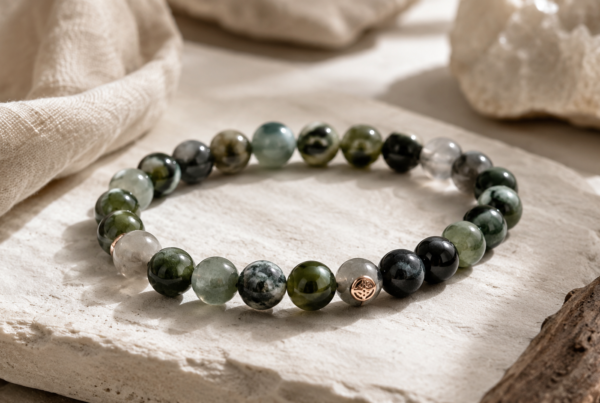
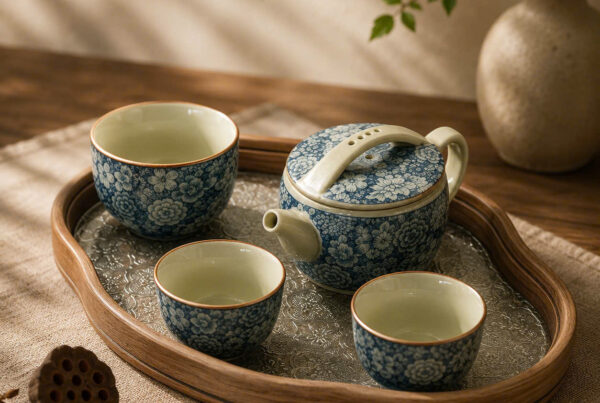
People choose these brands for more than aesthetics. They seek objects that quietly support routines, act as thoughtful gifts, and age gracefully. A well-made incense holder, a smooth stone bead bracelet, or a handcrafted tea set can elevate small moments into mindful practice.
This choice is not about superstition. It is about sensory comfort, material authenticity, and the way objects help shape daily life. For many, the value lies in peace, memory, and the intention behind use.
How to recognize a premium spiritual lifestyle brand
Not all brands that use spiritual language meet high standards. Recognizing an authentic premium spiritual lifestyle brand requires attention to a few clear markers: materials, craftsmanship, transparency, and a restrained, meaningful aesthetic.
Materials and provenance
Natural materials are central. Stones, agarwood, ceramics, hand-blown glass, and natural fibers communicate warmth and tactility. A premium brand will describe materials honestly: type of stone, source of wood, or clay used. Provenance and responsibly sourced materials matter. They affect texture, longevity, and how an object matures over time.
Craftsmanship and finish
Craftsmanship shows in small details: how beads are drilled, how a bracelet knot sits, the glaze on a cup, the balance of a candle vessel. These details create a sense of calm when you use the object. Look for brands that speak about makers, techniques, or limited runs.
Design language and restraint
Design should be refined and minimal. Shapes are considered, finishes are gentle, and colors are rooted in nature. Luxury in this context is quiet — an object that invites use rather than demands attention. The brand voice will be calm, warm, and honest.
Transparency, care, and education
A reliable brand shares how to care for items, what to expect as they age, and how pieces were made. Clear product notes demonstrate responsibility. This openness also builds trust, so buyers understand value beyond price.
Everyday uses: where these objects fit in life and interior spaces
Objects from a premium spiritual lifestyle brand are versatile. They belong in living rooms, bedside tables, home altars, meditation corners, and tea nooks. Their scale and material allow them to blend with interiors, while still offering a focal point for reflection.
Consider a handcrafted incense holder on a shelf. It contributes texture to a room and offers a simple ritual at evening. A natural stone bracelet can be both a wearable reminder to pause and a small piece of jewelry suited to minimalist wardrobes. Tea sets invite slow mornings. Each object supports a measured, intentional gesture.
What to compare when shopping
When choosing between pieces or brands, use a clear set of criteria. These will help you decide what fits your life and budget. Compare materials, maker information, longevity, functionality, and how an item integrates with existing routines.
| Category | Signature qualities | Best for | Considerations |
|---|---|---|---|
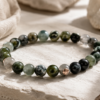
| Natural stone jewelry | Tactile weight, unique veining, polished finish | Daily wear, gifts, mindful reminders | Care for moisture, check clasp and stringing |
| Agarwood bracelets | Warm wood tones, fine grain, subtle scent | Wrist wear, sensory anchor, quiet scent | Authenticity varies; ask about source |
| Incense & holders | Clean burn, balanced scents, crafted holders | Evening rituals, scent layering, atmosphere | Ventilation and safe placement needed |
| Candles & vessels | Natural wax, clean burn, ceramic or glass vessels | Ambient lighting, ceremony, gifts | Burn time, wick quality, vessel heat |
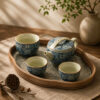
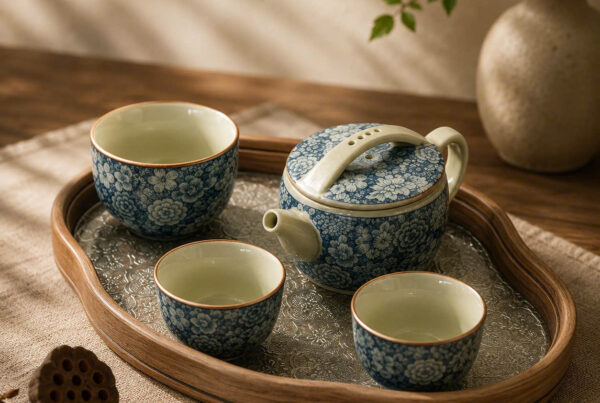
| Tea sets & ceramics | Hand-glazed finishes, proportioned forms | Tea rituals, meditative mornings, display | Glaze durability, thermal shock care |
| Meditation accessories | Simple forms, comfortable materials | Mats, cushions, timers for practice | Density, fabric care, portability |
This table helps you match a purchase to its intended use. It is practical, not prescriptive. The right object supports your life, not the other way around.
Common objections and honest responses
Higher price is often the first hesitation. Premium materials and skilled making cost more. The long-term value is in durability, timeless design, and the quiet pleasure of daily use. Think of these purchases as investments in daily wellbeing and design continuity.
Skepticism about claims is reasonable. A credible brand avoids grand promises. Instead it describes materials, making methods, and suggested uses. If a brand leans into miracle language or guaranteed outcomes, assume caution.
Practical care: how to keep natural objects beautiful
Natural materials require simple attention. Caring for them preserves appearance and touch. Below are practical tips for common categories.
Jewelry care: stones, beads, and cords
Keep jewelry dry when possible. Remove pieces before showering or swimming. Clean stones with a soft cloth and mild water; avoid harsh chemicals. For bead bracelets, check stringing periodically. If a bracelet uses elastic, plan for restringing after heavy use.
Wood and agarwood care
Wood benefits from occasional gentle wiping with a dry cloth. Avoid prolonged exposure to direct sunlight or moisture. If a wooden piece is oiled as part of its finish, follow the maker’s instructions for re-oiling to keep grain and scent lively.
Ceramics and tea ware
Hand-glazed ceramics may be dishwasher-safe but often last longer with hand washing. Use warm water and avoid sudden temperature shifts. For porous clays, allow thorough drying before storage to prevent musty smells.
Incense, candles, and storage
Store incense and candles in a cool, dry place away from direct light. Keep them in boxes or tins to preserve scent. Follow safe burning instructions and place holders on heat-resistant surfaces.
Where to start: selecting your first pieces
Begin with small, useful items you will touch often. A simple stone bead bracelet, a handcrafted incense holder, or a small tea cup invites repeated interaction. These pieces teach you how materials age and how rituals form.
If you prefer interiors, choose a single statement: a ceramic bowl, a candle in a muted vessel, or a sculptural incense holder. If personal wear is your route, a polished stone necklace or agarwood bracelet integrates easily into daily outfits.
To explore thoughtfully curated selections, visit the shop for tactile, handmade options and clear product notes: TAM shop.
Decision checklist before buying
- Do I understand what the item is made of and where it comes from?
- Will I use this item regularly, or is it mainly decorative?
- Is the size, weight, and finish suitable for daily use?
- Does the brand provide care instructions and maker information?
- Does the piece fit my existing aesthetic and space?
Comparison: common purchase scenarios
The table below helps when choosing among types of objects for specific goals, such as calming rituals, gifts, or interior accents.
| Goal | Best category | Why | Budget tip |
|---|---|---|---|
| Daily mindful reminder | Natural stone bracelet or necklace | Wearable and tactile; integrates into routines | Choose smaller stones or mixed materials for lower cost |
| Creating a calm corner | Incense holder, candle, small bowl | Layered sensory cues — light, scent, texture | Start with one well-made piece and add slowly |
| Thoughtful gift | Handcrafted tea set or agarwood bracelet | Personal, useful, and elegant to give | Choose simple packaging and include care notes |
| Interior accent | Ceramic vessels or sculptural décor | Objects that age well add texture to spaces | Neutral palettes fit more interiors |
How to tell authentic agarwood and natural stones
Agarwood and gemstones have nuances. Authentic agarwood tends to have a warm, layered scent that is subtle rather than overpowering. Sellers who know their source and can explain grading and harvesting practices are preferable.
For stones, natural variation is a sign of authenticity. Veining, small inclusions, and uneven color can be beautiful. Beware of overly uniform coloring or descriptions that promise supernatural effects. Honest descriptions focus on origin, cut, and finish.
How designers and interior professionals use these objects
Architects and interior designers often use natural objects to soften modern spaces. A single handcrafted bowl or a small grouping of incense and candles creates a lived-in warmth that complements minimalist schemes. The restraint of a premium spiritual lifestyle brand fits well in curated interiors where quality matters more than quantity.
Designers also appreciate clear product notes and consistent sizing. Reliable measurements and finish samples allow seamless integration into a larger palette.
Community and discovery
Brands that cultivate community offer inspiration without pressure. Social pages, thoughtful lookbooks, and quiet styling ideas help people imagine how objects might live in their homes. For updates, events, and a peek at new collections, see the brand’s social presence: TAM on Facebook.
Common mistakes to avoid
- Buying solely for trend without considering use.
- Ignoring care instructions for delicate materials.
- Assuming high price equals thoughtful design — always check maker details.
- Mixing too many disparate materials in a single small space; prioritize restraint.
When to choose handcrafted over machine-made
Choose handcrafted pieces when you value subtle irregularities, a human touch, and the story of making. Handwork tends to offer better finishes on small-batch items and results in pieces that patina beautifully. Machine-made items can be appropriate when uniformity or lower cost is a priority.
Ask about how a piece was made. Many premium brands provide short notes about the maker and method. This information helps you decide whether a handcrafted approach suits your needs.
Buyer’s checklist: final questions before purchase
- Does the product description list materials and care?
- Is provenance or maker information available?
- Will the piece integrate into daily life or is it mainly decorative?
- Do you understand how the object will age and how to care for it?
- Is the purchase aligned with your values of sustainability and craftsmanship?
Frequently asked questions
What defines a premium spiritual lifestyle brand?
A premium spiritual lifestyle brand prioritizes natural materials, refined design, honest craftsmanship, and subtle rituals. It focuses on beauty and function rather than promises of supernatural outcomes.
How much should I expect to spend?
Prices vary by material and maker. Expect to pay more for rare materials, handcrafting, and thoughtful finishing. Consider starting with smaller items to learn what fits your daily life before investing in larger pieces.
Are natural materials better than synthetics?
Natural materials offer texture, patina, and sensory warmth that synthetics often lack. They may need more care but reward with longevity and tactile depth. Synthetics can be practical in some settings; choose based on use and maintenance tolerance.
How can I verify authenticity of agarwood or stones?
Ask for source information and any available certification. Sellers who explain grading, sustainable harvesting, and sourcing are more reliable. Look for subtle, layered scent in agarwood and natural variation in stones.
Where can I see curated selections and care notes?
Many brands publish product notes and care guidance online. For a curated selection of handcrafted items with clear descriptions, explore the collection at the TAM shop: TAM shop.
Closing thoughts
A premium spiritual lifestyle brand is less about a label and more about an approach. It is careful about materials, honest about making, and considerate of daily rituals. Choose pieces that fit your life, that you will touch, and that will age with you.
Objects can be quiet companions. When chosen well, they bring a steadier rhythm to ordinary days. They offer moments of calm, a sense of craftsmanship, and a place for intention without grand promises.