
Artisan Spiritual Products: How to Choose Objects That Bring Calm and Meaning
Attention. A thoughtfully chosen object can change the tone of a room and the rhythm of a day. Artisan spiritual products are crafted items—jewelry, incense, tea sets, candles, and decor—made from honest materials and careful hands. They support quiet rituals without promising miracles. They ask you to pause, notice, and feel.
Quick summary
Artisan spiritual products are handcrafted objects made from natural materials and refined techniques. Choose pieces for material authenticity, visible craftsmanship, and how they fit into your daily rituals. Look for clear provenance, simple design, and ethical sourcing. For curated selections, explore the TAM collection in the shop for calm, luxury pieces made for quiet living.
Why artisan spiritual products matter in a modern home
We live in fast environments filled with noise, screens, and disposable items. An artisan spiritual product offers a counterpoint: a slow-made object that invites attention. These pieces are not loud. They are minimal, tactile, and often small. Their presence can reframe a moment—tea, breath, a hand on a stone—into something intentional.
Beyond aesthetics, artisan pieces carry stories. A bead strung by hand, a ceramic tea bowl turned on a wheel, an agarwood pendant carved and polished—each reflects human skill and patience. For people who value mindful living, such stories matter. They connect material quality to emotional meaning.
Who should consider artisan spiritual products
These objects suit adults who care about calm, craft, and refined design. Typical users include practitioners of meditation, tea culture, or yoga; people arranging peaceful interiors; gift givers seeking meaningful presents; and collectors of handmade items. They also fit well in minimalist homes where each object is chosen with intention.
Materials and craftsmanship to look for
Material choice defines both look and feel. The most resonant artisan spiritual products use natural, time-tested materials. Look for visible grain, subtle imperfections, and finishes that age gracefully.
- Agarwood and woods: Dense, dark, aromatic woods like agarwood are prized for subtle scent and tactile warmth. Knots, slight color variation, and smooth finishing are normal and desirable.
- Natural stones: Jade, rose quartz, agate, and other stones carry unique textures and color patterns. Stones should be polished with care rather than overly machine-perfect; small inclusions are evidence of authenticity.
- Ceramics and clay: Hand-thrown tea bowls and incense holders show throwing lines, glaze fingerprints, and intentional asymmetry. These features signal maker involvement.
- Textiles and fibers: Silk, linen, and handwoven cloth bring subtle sound and movement. Stitching and loom irregularities are signs of small-batch creation.
- Metals and alloys: Brass and silver used in jewelry or small ritual tools should have clean joins and a weight that feels balanced in the hand.
Craftsmanship matters as much as material. Ask: Are edges refined? Are joins secure? Does the finish invite touch? Good makers leave evidence of discipline and care, not factory sameness.
How to choose artisan spiritual products for your life
Selecting the right item is both practical and personal. Start with function, then consider form and story. Think of the following steps as a short checklist.
- Clarify purpose: Is the piece for daily ritual, decorative accent, meditation prop, or a gift?
- Match scale: Choose proportions that suit your space. Small beads and incense fit intimate corners; larger sculptures need room to breathe.
- Consider texture and sound: Smooth stones, warm wood, soft textiles—each creates a different sensory register.
- Assess maintenance: Some materials patina over time and benefit from simple care; others need gentle cleaning or specific storage.
- Check provenance: Know who made it and where materials came from. Transparency is part of authenticity.
When browsing, compare how an item makes you feel held in the hand. A measured, quiet emotional response is an excellent signal you’ve found something meaningful.
Practical comparisons: artisan versus mass-produced
Choosing between handcrafted and mass-produced objects is common. Below is a table to help decide based on typical buyer priorities: durability, uniqueness, environmental impact, and cost.
| Feature | Artisan spiritual products | Mass-produced alternatives |
|---|---|---|
| Uniqueness | High—variations and maker marks | Low—identical copies |
| Material authenticity | Typically natural, traceable materials | Often synthetic or composite materials |
| Craftsmanship | Skilled handwork, visible technique | Machine-made, uniform finish |
| Environmental impact | Often lower if locally sourced and small-batch | Often higher due to scale and shipping |
| Price | Higher due to labor and materials | Lower unit price but less longevity |
| Emotional value | Typically greater—story, maker connection | Lower—functional, less personal |
How to weigh the differences
If you value longevity, subtle beauty, and human stories, artisan pieces tend to be a better fit. If you need inexpensive, uniform items for a large installation or short-term use, mass-produced can make sense. Think of artisan objects as investments in daily calm rather than fast consumption.
Common categories and how to use them
Artisan spiritual products cover many items. Below are common categories and practical ways to include them in everyday life.
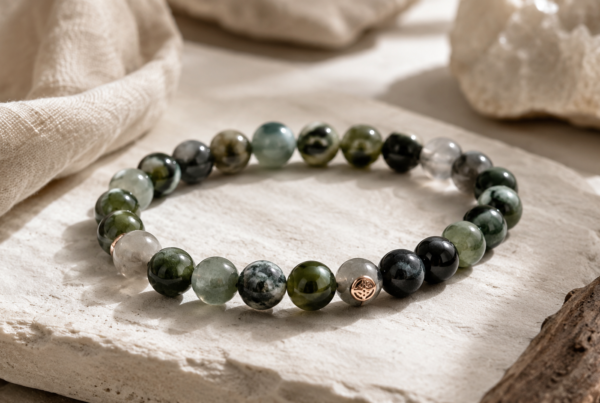
Natural stone jewelry and bracelets
Use: Wear as a quiet focal point during work or practice. Stones offer tactile contact for grounding breaths or brief pauses.
Choose: Look for subtle color variation and smooth edges. Avoid overly glossy, glass-like finishes that hide stone character.
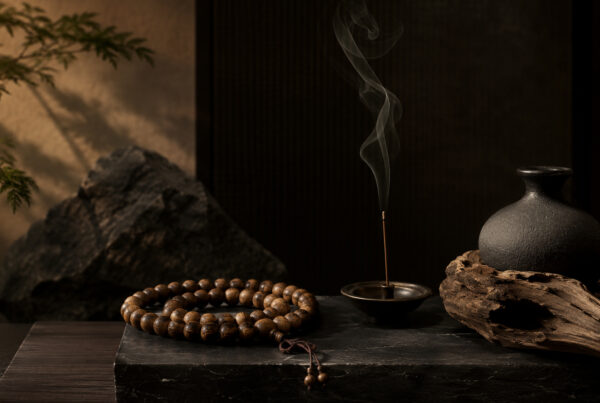
Agarwood pieces and beads
Use: Carry a small agarwood bead or wear a bracelet for its warm scent and texture. A piece on a bedside table can scent a small corner of a room.
Choose: Authentic agarwood is dense, dark, and aromatic. Sellers should describe sourcing—aged and sustainably harvested pieces are preferred.
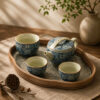
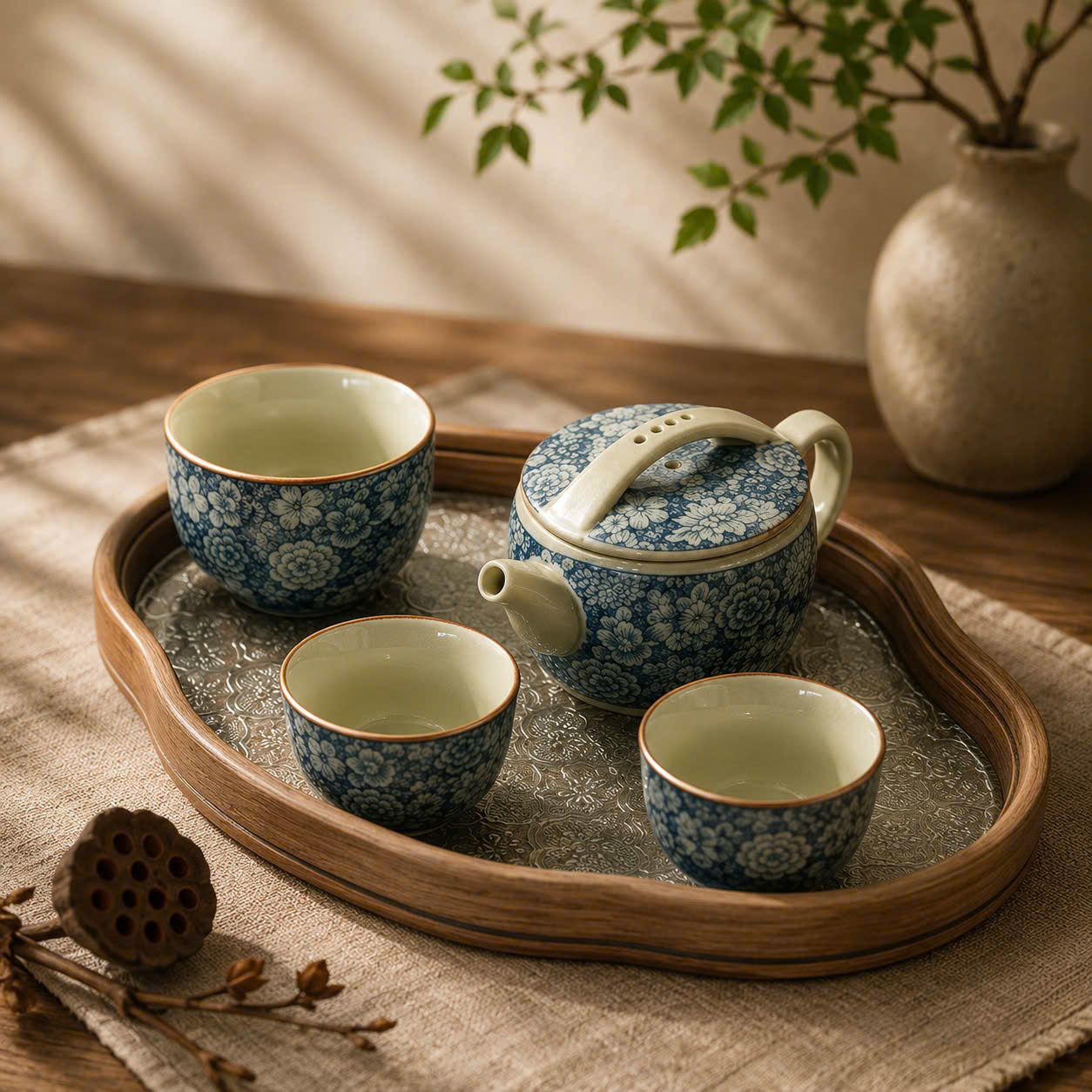
Ceramic tea sets and bowls
Use: Turn tea preparation into a slow ritual. A hand-thrown bowl or cup encourages present-moment attention through weight and warmth.
Choose: Simple glazes, thumb prints, and wheel marks show handmade quality. Select sizes that match your preferred brewing style.
Incense, candles, and scent tools
Use: Scents can mark transitions—morning light, evening wind-down, or a short meditation. Use sparingly; the goal is subtle atmosphere, not overpowering aroma.
Choose: Select natural ingredients and clear ingredient lists. Look for slow-burning, well-balanced blends rather than synthetic perfumes.
Handcrafted home decor and ritual objects
Use: Place objects where you will see them often. A ceramic dish for small stones, a wood tray for tea tools, or a simple sculpture can anchor a practice corner.
Choose: Opt for restrained forms and neutral palettes that integrate easily with a calm interior.
Care, storage, and simple rituals
Taking care of artisan spiritual products extends their life and deepens your relationship with them. Care is often simple—clean, dry, and gentle.
General care tips
- Clean stone and metal with a soft cloth. Avoid harsh chemicals that strip natural finishes.
- Wipe wooden surfaces occasionally with a dry or slightly damp cloth. For unfinished wood, a light rub of natural oil can restore warmth.
- Store textiles flat or rolled to avoid creases. Keep ceramics in a safe area to prevent chips.
- Keep incense and scented items in airtight containers to preserve aroma.
Simple rituals to deepen meaning
Rituals need not be elaborate. A few consistent acts create continuity.
- Before use, pause for three slow breaths while touching the object.
- Designate a small tray or box as a home for ritual tools. Return items there after each use.
- Rotate objects seasonally to refresh attention and prevent visual fatigue.
How to evaluate authenticity and ethical sourcing
Authenticity matters for both material quality and ethical clarity. Ask sellers a few direct questions. Reputable makers welcome these conversations.
Questions to ask
- Where were the materials sourced?
- Who made this piece and what is their process?
- Is the wood or aromatic material sustainably harvested?
- Are there certifications or transparent supply chain notes?
Good sellers provide clear answers and photos of the workshop or makers when appropriate. If details are vague or the story is inconsistent, consider other options.
Price, value, and what to budget for
Artisan spiritual products often command higher prices than factory-made alternatives. This reflects labor, material quality, and small-batch production. Rather than treating price as an obstacle, consider it a selection criterion.
Budget pointers:
- Set priorities: prioritize materials or makers you admire.
- Start small: choose one well-made item rather than many inexpensive pieces.
- Consider lifetime value: well-cared-for artisan objects can last for decades and become heirlooms.
Common mistakes and how to avoid them
Buyers often make avoidable errors when choosing artisan spiritual products. Here are common mistakes and practical fixes.
- Mistake: Choosing solely on image. Fix: Request material details, dimensions, and maker notes.
- Mistake: Ignoring scale. Fix: Compare object dimensions to objects in your space before purchasing.
- Mistake: Expecting miraculous effects. Fix: Choose for beauty, calm, and ritual utility, not supernatural claims.
- Mistake: Neglecting care instructions. Fix: Read care notes and follow simple maintenance practices.
Where to buy and how to explore collections
Shop with makers and small brands that share material and craft information. A curated brand can simplify discovery while maintaining standards. For a refined selection of items that align with these principles, explore the TAM shop for pieces crafted with intention and natural materials: https://tamspirit.com/shop/.
For maker stories and community, social pages provide glimpses into process and values. You can see TAM’s updates and craft moments on Facebook: https://www.facebook.com/TamSpiritvn?locale=vi_VN.
Gift guidance: choosing an artisan spiritual product for someone else
Gifts carry both object and intention. When buying for others, keep the gesture simple and considerate.
- Observe rituals: Notice what the recipient already uses. A tea lover might appreciate a hand-thrown bowl; a meditator might value a natural stone bead.
- Choose neutral aesthetics: Subtle, minimal designs blend easily into another’s space.
- Include care notes: A brief card explaining material and simple care makes the gift easier to appreciate.
Small checklist before you buy
- The material is natural and described clearly.
- Visible signs of handcrafting are present.
- Dimensions and weight are suitable for intended use.
- Care and storage instructions are provided.
- Provenance and maker information are available.
Real-life examples and scenarios
To make selection concrete, here are short scenarios that show how different people might choose:
Scenario 1: The desk seeker
A creative worker wants a small tactile object for midday pauses. They choose a smooth, palm-sized natural stone and a small incense cone. The stone fits a pocket; the incense marks a 10-minute break.
Scenario 2: The tea ritualist
Someone who drinks tea daily selects a hand-thrown bowl and a wooden tray. The bowl’s weight and warmth enhance the brewing ritual. They keep the set on a low shelf and use it each morning to slow the start of the day.
Scenario 3: The gift for a friend
For a thoughtful gift, choose a small agarwood pendant on a simple cord and include a note about its origin and care. The pendant is subtle enough to wear daily and carries a quiet story.
Comparison points when deciding between pieces
When comparing similarly priced items, evaluate these points to choose which will be most meaningful for you:
- Daily utility vs. display value
- Material longevity and patina
- Emotional resonance with form and texture
- Maker transparency and ethical sourcing
Frequently asked questions
What counts as an artisan spiritual product?
An artisan spiritual product is any handcrafted object made with intentional materials and techniques intended to support calm, ritual, or meaningful presence—such as natural stone jewelry, agarwood beads, ceramic tea bowls, incense, and handcrafted home decor.
How can I tell if a stone or wood piece is authentic?
Authentic natural materials show variation: color striations, small inclusions, and texture differences. Sellers should provide material notes and, when possible, maker information. If provenance is unclear, ask for photos or details about sourcing.
Do artisan products require special care?
Most do not require complex care. Gentle cleaning, dry storage for textiles and wood, and keeping scented items sealed are common. Follow any maker-supplied instructions for best results.
Are artisan spiritual products expensive?
They often cost more than mass-produced items because of labor, materials, and small-batch production. Consider them as investments in lasting calm rather than disposable decor.
Can these products improve wellbeing?
Products themselves do not promise health outcomes. Their value lies in encouraging mindful routines and creating environments that support calm and focused attention.
Final reflections: living with objects that matter
Artisan spiritual products are invitations to slow down. They ask for attention and return it in small but meaningful ways. When you choose materials with care and makers with transparency, you create a collection that supports daily rituals and quiet presence.
Look for objects that fit your life, not objects that demand a new identity. The best pieces are those you reach for without thinking—because they feel right in your hand and steady in your space.
For a curated introduction to thoughtfully made items, visit the TAM shop: https://tamspirit.com/shop/.
Connect with community updates and maker stories on Facebook: https://www.facebook.com/TamSpiritvn?locale=vi_VN.