
Gemstone Bead Bracelet: The Complete Guide to Choosing, Wearing, and Caring
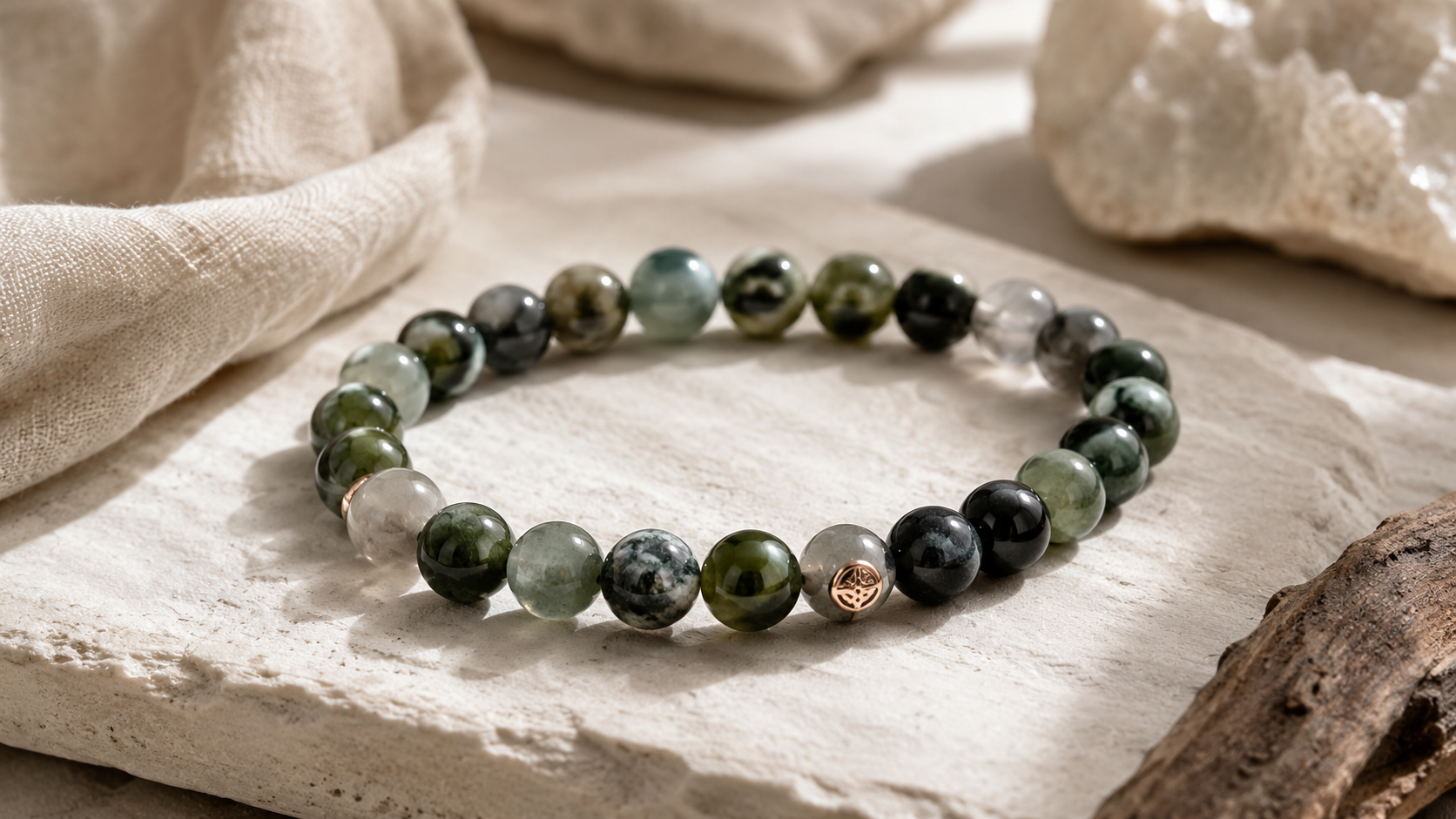
A gemstone bead bracelet can be a quiet companion for daily ritual and refined dressing. It offers natural beauty, tactile comfort, and the warmth of handcraft. This guide shows how to choose the right bracelet, how to wear it with care, and what to look for when buying.
Quick summary
A gemstone bead bracelet is a strand of natural stone beads strung on elastic or cord. Choose by bead size, stone type, finish, and construction. Measure your wrist, prefer quality stringing and well-matched beads, and care for the bracelet by gentle cleaning and careful storage. For mindful selections, consider provenance and craftsmanship rather than promises.
Why choose a gemstone bead bracelet
Gemstone bead bracelets bring natural materials into everyday living. Their tactile surface, subtle color variations, and organic weight offer calm and presence. For those who value minimal design and craftsmanship, a well-made bracelet reads as both jewelry and a small object for mindful moments.
They are versatile. Worn alone, a single strand feels quiet and intentional. Layered with a watch or a thin cuff, they add texture without overpowering. As gifts, they carry emotional meaning: thoughtfulness, beauty, and durable materials crafted with care.
How gemstone types differ and what to consider
Stones vary by color, translucency, hardness, and pattern. These qualities affect appearance, wear, and long-term durability. When selecting, notice surface finish, internal inclusions, and whether the color is natural or enhanced.
Below are common stones and practical notes on each. These descriptions focus on visual and material qualities rather than metaphysical claims.
Amethyst
Color: soft to deep violet. Texture: usually translucent. Notes: amethyst beads offer a calm purple that works well with cool or neutral palettes. Choose beads with even color for a refined look.
Rose quartz
Color: pale to pink. Texture: often translucent to cloudy. Notes: rose quartz presents a soft, diffuse color and a gentle surface feel. It pairs well with warm metals and light wood tones.
Jasper and jasper variants
Color: earthy reds, browns, greens. Texture: opaque, often patterned. Notes: jasper beads are durable and matte finishes highlight their natural patterns for a rustic, grounded style.
Agate and banded agates
Color: wide range, often banded. Texture: translucent to opaque. Notes: agates can be polished to a glossy finish and offer striking patterns that become the focal point of a simple outfit.
Tiger’s eye
Color: golden-brown chatoyancy. Texture: polished, reflective. Notes: tiger’s eye has a warm sheen. It reads as slightly more formal while remaining understated.
Jade
Color: green tones to white. Texture: smooth, often highly polished. Notes: fine-quality jade shows uniform color and a soft luster. It adds quiet elegance to a minimalist wardrobe.
How to choose a gemstone bead bracelet size and construction
Size influences both comfort and style. Bead diameter, bracelet length, and stringing method together create the final effect. Consider daily wear, wrist size, and whether you will layer other bracelets.
There are three main construction types: elastic stretch, knotted cord with a clasp, and fixed loop with a sliding knot. Each has benefits and considerations. Elastic is comfortable and easy to wear but may need restringing over years. Knotted cord with a clasp often lasts longer and can show better craftsmanship. Sliding knots offer adjustability and a handmade aesthetic.
Measuring your wrist
Measure where you want the bracelet to sit. Use a soft tape or a strip of paper and mark where it overlaps. Add 0.5–1.5 cm (about 1/4 to 1/2 inch) depending on desired fit: closer for a neat, single-strand look; more for a loose, layered feel. Note that bead size will change perceived fit—larger beads add bulk.
Choosing bead size and proportion
Bead diameter commonly ranges from 4 mm to 12 mm. Smaller beads (4–6 mm) read delicate and are suited to minimalist wardrobes. Medium beads (7–9 mm) are versatile and common for unisex styles. Larger beads (10–12 mm) create a bolder presence and suit those who prefer a stronger tactile feel. Match bead size to wrist circumference: smaller wrists pair well with smaller beads, and larger wrists carry bigger beads gracefully.
Styling: how to wear a gemstone bead bracelet
Styling a gemstone bead bracelet is about subtlety. Let materials and form speak rather than loud branding or multiple competing elements. Consider balance, texture, and color harmony with your outfit and other accessories.
Here are refined ways to wear a gemstone bead bracelet for different contexts.
Everyday minimal
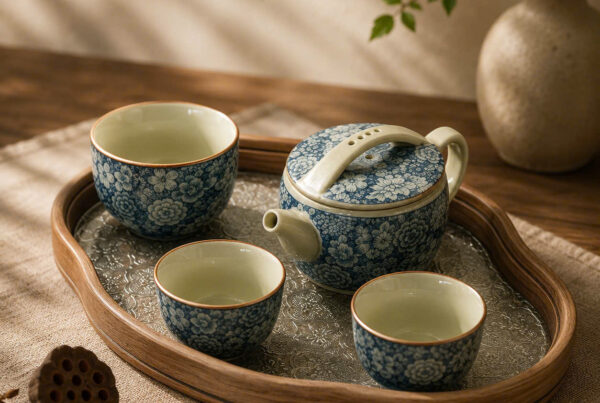
Choose a single strand of neutral-toned beads—agate, jasper, or matte onyx. Wear it alone on the wrist with a clean shirt cuff or layered with a slim metal bracelet. The goal is quiet texture that complements daily rituals, such as making tea or settling into a meditation cushion.
Work and meetings
Opt for medium beads with a low-gloss finish. Pair with a classic watch or a simple cuff. Keep contrasts minimal: a warm brown tiger’s eye with a leather-strap watch, or a pale jade strand with a silver watch, creates polished balance.
Layered looks
Layering works when each piece has a clear role. Mix bead sizes and materials: a thin metal bangle, a 6 mm gemstone strand, and a narrow leather cord. Keep the palette restrained—two or three tones maximum—to maintain a refined aesthetic.
Ritual and quiet moments
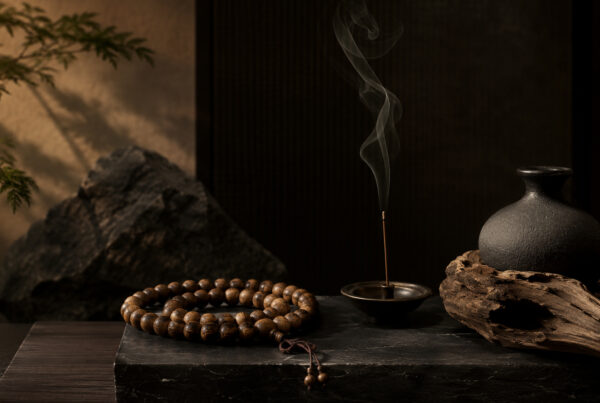
Use the bracelet as a tactile object during mindful pauses. Rest it in your palm, notice the smoothness of each bead, or let it sit beside a tea cup or incense when preparing a quiet ritual. Objects with meaning need only be present; they do not require ceremony.
Care, cleaning, and maintenance
Natural stones respond best to simple care. Avoid harsh chemicals, ultrasonic cleaners, and prolonged exposure to heat or sunlight that can alter color. For most stones, a soft cloth and mild soap in lukewarm water will suffice.
Dry beads gently and store bracelets flat or on a soft surface to prevent stretching and abrasion. For elastic bracelets, inspect the string periodically. If knots show wear, consider professional restringing. For knotted cord bracelets, check knot integrity and clasp function once a year if worn often.
Cleaning checklist
- Wipe with a soft, dry cloth after use to remove oils and sweat.
- For deeper cleaning, use mild soap and water; do not soak porous stones for long periods.
- Avoid bleach, ammonia, and commercial jewelry cleaners unless the maker confirms suitability.
- Dry immediately and store away from direct sunlight.
Buying guide: what to compare and where to start
When shopping, observe bead consistency, stringing quality, and finish. Good craftsmanship shows in even bead holes, secure knots, and a consistent bead shape and color when intended. Ask the seller about how the bracelet is strung and what materials are used for stringing and clasps.
Compare natural appearance against overly uniform color—too-perfect uniformity can indicate dyeing or synthetic alternatives. That doesn’t always reduce value, but it should be disclosed. A transparent seller will note treatments and origins.
For a refined selection, visit curated shops that emphasize materials and craft. If you would like to view a small collection of handcrafted pieces, browse TAM’s selection in the shop for well-made options rooted in natural materials and careful design: TAM Shop. To see the brand’s wider presence and community posts, you can find updates on social channels such as TAM on Facebook.
Comparison table: common bracelet constructions
| Construction | Typical feel | Durability | Best for | Notes |
|---|---|---|---|---|
| Elastic stretch | Flexible, easy on/off | Moderate; elastic degrades over years | Everyday wear, gift pieces | Inspect for fraying; prefer high-grade elastic and secure knots |
| Knotted cord with clasp | Structured, classic | High; knots reduce bead wear | Formal wear, higher craftsmanship | Choose quality cord and metal clasps that match metal tones in other jewelry |
| Sliding knot | Adjustable, handmade look | Moderate to high; depends on cord | Casual, unisex pieces | Good for fluctuating wrist sizes and layering |
| Wire with clasp | Firm, slightly rigid | High; wire resists stretching | Beads with larger holes, decorative designs | Wire thickness should match bead holes to avoid damage |
Ethical and authenticity considerations
Ask about sourcing and whether stones are natural, dyed, or treated. Ethical practices include fair labor, honest disclosure, and minimal environmental impact in sourcing. Quality sellers will describe treatments, if any, and offer information about the maker’s process.
Be cautious of unclear provenance or vague descriptions. That does not always mean a piece is poor, but transparency helps you make a conscious choice aligned with the values of craftsmanship and lasting beauty.
Common mistakes to avoid when buying
Buyers often focus on color and overlook construction. A beautiful bead stringed poorly will fail sooner. Look beneath the surface: check bead holes, knot security, clasp quality, and whether the bracelet balances with your wardrobe and daily life.
Avoid impulse purchases driven by trend alone. Select pieces that suit your daily habits and the materials you prefer. A well-chosen bracelet becomes part of your quiet rituals rather than a seasonal accessory.
How to apply a gemstone bead bracelet in daily life
Think of the bracelet as a small design object that supports calm. Wear it during simple rituals: preparing tea, lighting a candle, or sitting for five minutes of breath. Use its presence as a gentle reminder to slow down—not as a talisman, but as a thoughtful object that frames time.
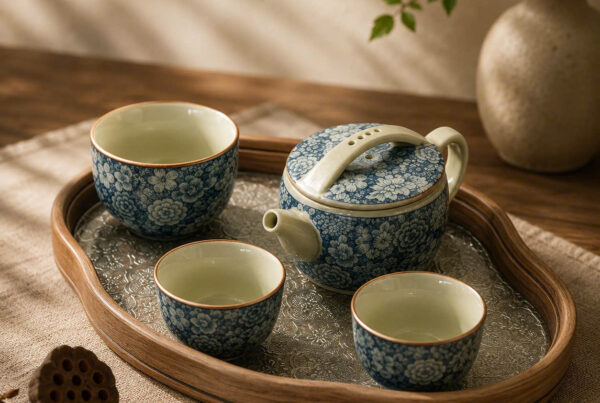
At home, lay the bracelet on a ceramic tray or wooden bowl beside a tea set or candle. Its placement becomes part of a curated corner: practical, beautiful, and meaningful without extravagance.
Who should choose which style
If you prefer minimal, choose small beads (4–6 mm) in neutral stones such as matte onyx, agate, or jasper. For tactile depth and a bolder presence, choose 8–12 mm beads in tiger’s eye or polished jade. For a mix of refinement and craft, look for knotted cord construction or bracelets strung on fine, durable cord with subtle clasps.
For gifts, consider the recipient’s everyday life. A commuter may prefer a low-profile, durable elastic bracelet. Someone who enjoys layered jewelry and ritual may prefer a handcrafted knotted strand that sits alongside other pieces.
FAQ
How long does a gemstone bead bracelet last?
With proper care and good construction, a bracelet can last many years. Elastic can weaken over time and may need restringing after several years of daily wear. Knotted cord and wire constructions typically last longer. Regular inspection and gentle handling extend life.
Can gemstone bead bracelets get wet?
Occasional light contact with water is usually fine, but avoid prolonged exposure, especially for porous stones and organic components. Remove bracelets before swimming, showering, or heavy washing to preserve cord and stone finish.
How can I tell if a stone is natural or dyed?
Look for uneven color, natural inclusions, and subtle variations. Overly uniform color or intense saturation can indicate dyeing or treatments. Ask the seller for disclosure—reputable makers will share whether stones are enhanced.
Is it better to choose elastic or knotted cord?
Elastic is convenient for frequent on/off wear. Knotted cord offers longevity and a crafted look. Consider lifestyle and frequency of wear: heavy daily use often favors knotted or wired construction for durability.
Where can I find well-made gemstone bead bracelets?
Look to curated studios and makers who emphasize material, finish, and workmanship. For a refined selection rooted in natural materials and craft, explore TAM’s curated offerings in the shop: https://tamspirit.com/shop/, and follow community updates on TAM’s Facebook page.
Final thoughts
A gemstone bead bracelet is more than adornment. It is a small object shaped by stone, hand, and intent. Choose with attention to materials and construction. Wear with simple habits that honor its calm presence. In time, it becomes part of a quiet practice—an understated detail that offers daily beauty.
If you are ready to explore crafted options that value natural materials and careful finish, visit the shop to see a curated selection built for quiet, meaningful moments: TAM Shop.