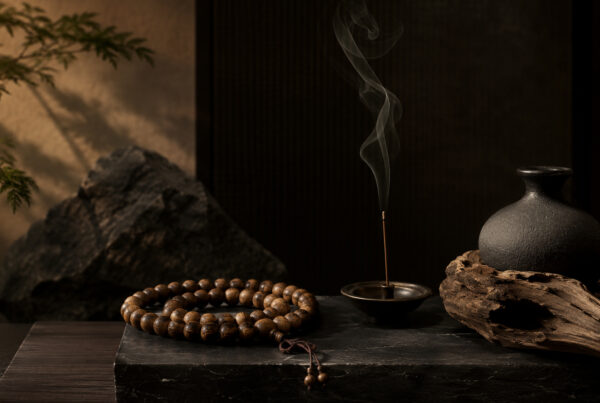

Crafted for the Soul: Objects That Bring Calm and Meaning to Everyday Life

A quiet object can change how a moment feels. Carefully chosen materials and thoughtful making invite pause. This is the heart of objects crafted for the soul: beauty, intention, and subtle presence.
Quick summary
Objects crafted for the soul are handmade or carefully made pieces—jewelry, incense, candles, tea sets, and home décor—designed to bring calm, refined beauty, and mindful rhythm to daily life. They use authentic materials and skilled craftsmanship. Choose them for quiet rituals, meaningful gifts, and spaces that favor simplicity and grace.
Why choose objects crafted for the soul
We live surrounded by noise. The right object can slow the pace. It offers a tactile anchor. It invites ritual without demand. When an object is crafted for the soul, it values material honesty and quiet design over flashy trends.
These pieces are not promises. They are companions. They are subtle reminders to breathe, to savor, to be present. The aesthetic is calm. The intent is thoughtful. The result is a gentle lift to daily life.
Materials and provenance
Natural materials matter. Wood, stone, clay, and agarwood carry texture, scent, and age. Knowing where a material comes from—its source and how it was harvested—adds trust. Look for pieces with clear material descriptions and evidence of ethical sourcing.
Provenance often appears in the maker’s notes. It might mention hand selection of stones, sustainable agarwood sourcing, or local ceramic techniques. These details help you understand the object’s story and its place in your home.
Craftsmanship and making process
Handwork leaves traces. Slight tool marks, variations in glaze, and the warm irregularities of hand carving are signs of craft. These are not flaws. They are records of a human hand and attention.
Ask about how an item is made. Simple processes—lathe work, hand-knotting, small-batch firing—often produce the most enduring pieces. Craftsmanship assures you of longevity and thoughtful design.
Design, minimalism, and intention
Minimalism in this context is rich, not empty. It favors proportion, texture, and quiet lines. The result is a calm object that integrates easily into a home and supports focused rituals like tea, meditation, or slow mornings.
Choose designs that invite touch and use. Rounded edges, balanced weight, and pleasing scale encourage daily interaction. These are the qualities that make an object feel meaningful in ordinary life.
How to choose a meaningful object: practical criteria and checklist
Choosing well begins with clarity. What do you want the object to do? Sit on a shelf as quiet beauty? Be worn daily? Serve a ritual? Decide its role first. Then apply clear criteria: material honesty, craftsmanship, scale, and purpose.
Use this checklist when you shop. It helps you prioritize what matters and avoid impulse buys that don’t last.
- Purpose: Clarify use—wearing, display, ritual, or utility.
- Material: Prefer natural and traceable materials.
- Scale: Ensure it fits your space and routine.
- Craft: Seek visible craft markers and maker stories.
- Care: Understand maintenance needs before buying.
- Gift-readiness: For gifts, choose neutral beauty and clear meaning.
Examples of well-suited choices
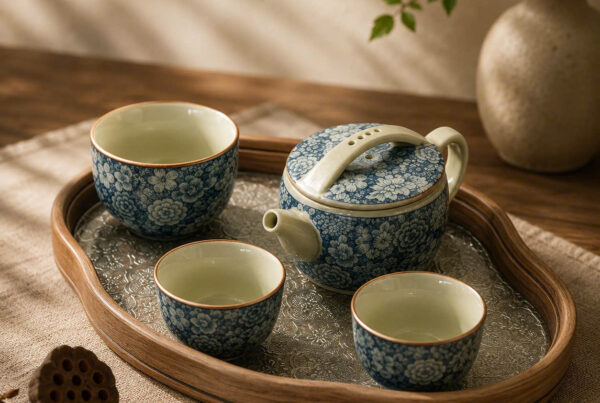
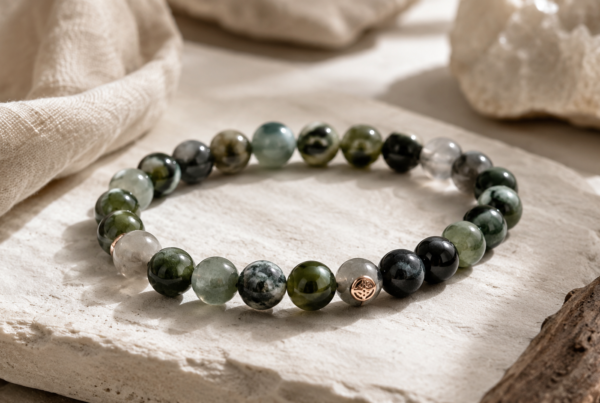
If you want a daily wearable that is subtle, natural stone jewelry or an agarwood bracelet fits well. For a quiet corner, a handcrafted candle or incense set creates atmosphere. For ritual and slow mornings, a small ceramic tea set can reshape how you start the day.
When in doubt, choose smaller pieces you will use often. Intimacy and repetition amplify meaning more than conspicuous size.
Comparison of common objects: how to decide what fits your life
The right object depends on your lifestyle, living space, and routine. The table below contrasts typical categories to help you choose with confidence.
| Category | Material & Traits | Best for | What to compare |
|---|---|---|---|
| Agarwood bracelets | Natural wood, warm scent, lightweight | Daily wear, subtle scent, mindful touch | Sourcing, bracelet size, finish, bead density |
| Natural stone jewelry | Polished or matte stones, varied texture | Everyday elegance, intentional accessories | Stone origin, setting quality, metal type |
| Incense & candles | Plant-based materials, simple fragrances | Atmosphere, short rituals, quiet evenings | Burn time, ingredients, vessel design |
| Ceramic tea sets | Clay body, glaze, tactile warmth | Slow mornings, mindful tea rituals, gifts | Size, heat retention, glaze finish, dishwash safety |
| Handcrafted décor & art | Wood, stone, textile, mixed media | Living room accents, serene corners, offices | Scale, mounting needs, material compatibility |
Decision tips
Match the object’s scale to your space. A large candle or sculpture works in open rooms. Small jewelry or incense suits compact apartments. Think also about routine: choose objects that fit how you already live, not how you imagine living.
Use cases: how to weave these objects into daily life
Meaning arises from use. An object earns its place through repeated, gentle practice. Below are practical ways to integrate purposeful items into your day.
Meditation and breathwork
A small object can be a focal point for practice. A stone on the altar. A bead bracelet to track breaths. Use the object to mark the start and end of a short sit. Let its weight and texture anchor attention instead of adding distraction.
Choose unobtrusive forms that do not demand performance. The aim is presence. The object supports attention, not dramatic change.
Tea and mindful mornings
Mornings are ideal for slow rituals. A ceramic tea set encourages a deliberate pace. Pour, inhale, and hold the cup between both hands. The tactile warmth and muted glaze slow thinking and restore clarity.
Keep your tea set accessible. Rituals should be easy to repeat. The more effortless the practice, the more likely it will become meaningful.
Home ambiance and rituals
Lighting a natural candle or choosing a particular incense can mark an evening transition. Use scent and light to define moments—reading, winding down, or hosting a quiet guest. These small acts shape memory and mood.
Designate a ritual spot. A small tray, a folded cloth, or a simple shelf keeps objects tidy and ready for use.
Caring for natural materials: practical guidance
Natural materials age. They respond to light, humidity, oils, and handling. Caring well prolongs beauty. Care is simple and measured.
Below are clear practices for the most common materials in this category.
Storing and handling
Store wood and agarwood away from extreme heat and direct sun. Use soft cloth pouches for jewelry. Keep ceramics on padded surfaces to avoid chips. For incense and tea, store in airtight containers to preserve scent and freshness.
Handle with clean, dry hands. Natural oils from skin can change patina over time. This is often desirable, but if you prefer initial finishes, use gloves when necessary.
Cleaning and maintenance
Dust regularly with a soft cloth. For stone jewelry, a damp cloth and gentle soap suffice. Avoid harsh chemicals on natural finishes. For ceramics, check if pieces are glaze-stable in dishwashers; handwashing is usually safest.
For candles, trim wicks and keep vessels free from debris. For agarwood, occasional gentle brushing restores texture without harming wood grain.
Mistakes to avoid
- Avoid long exposure to direct sunlight, which can fade some natural dyes and glazes.
- Do not soak porous stones or wooden beads in water for long periods.
- Do not store natural scents with strong-smelling items that can overpower them.
Common objections and how to decide
Choosing refined, handcrafted objects raises common questions: Are they worth the cost? Will they fit my lifestyle? How do I know they are authentic? These are reasonable concerns. Answers begin with clarity about your values and expectations.
Value lies in time and use. A well-made object that you use daily can offer more meaning than a cheaper item replaced often. Authenticity is supported by maker information, material description, and visible craft markers.
Is the price justified?
Handwork and natural materials cost more because of labor, sourcing, and small-batch processes. If you value longevity and emotional resonance, consider the cost per year of use rather than upfront price alone.
Will it match my décor?
These objects are intentionally minimal. They are designed to integrate with modern, minimalist, and traditional interiors alike. Choose neutral tones and natural textures for maximum compatibility.
How to verify authenticity
Ask for clear material descriptions, maker notes, and photos. Look for consistent craft markers such as tool marks and grain patterns. Trusted sellers will answer questions and provide care guidance.
Where to buy and what to expect
Choose sellers who share material details and maker stories. Look for small studios and brands that emphasize craft and provenance. When possible, buy from sources that provide clear care instructions and returns policy.
You can explore curated selections of handcrafted pieces on the brand’s shop page. For a direct look at community and new arrivals, you can also visit the brand’s social presence such as TAM on Facebook for updates and behind-the-scenes images.
Explore handcrafted pieces on TAM’s shop to see samples of agarwood bracelets, natural stone jewelry, candles, tea sets, and decor. For community updates and visual inspiration, visit TAM on Facebook.
Practical buying guide: what to compare and what to avoid
When comparing items, use a simple framework: material authenticity, visible craft, fit to routine, and aftercare. This helps you make a calm, confident choice.
Comparison steps
- Read the material description carefully. Confirm natural or sourced materials.
- Examine images for craft details and close-ups.
- Check size and scale to ensure the piece fits your space or wrist.
- Look for care instructions and verify return policies.
- Consider how often you will use the item. Frequency justifies different investments.
What to avoid
Avoid items with vague descriptions, overly glossy promotional language, or no clear care guidance. Steer clear of pieces that require extensive, impractical care unless you have the time and inclination to maintain them.
Putting it into practice: simple rituals and placement tips
A meaningful object becomes part of life through placement and habit. Here are simple suggestions that respect calm and elegance.
- Designate a small shelf or tray near where you sit most. Keep a candle, a small stone, and a cup ready for short rituals.
- Wear one piece of jewelry at a time. Let it be your tactile companion rather than a collection of signals.
- Set a short five-minute tea ritual. No devices. Pour, inhale, and sip slowly.
- Use scent sparingly. A single incense at day’s end or a candle for thirty minutes creates atmosphere without overwhelming.
FAQ
What does “crafted for the soul” actually mean?
It refers to objects made with attention to materials, form, and subtle function. The phrase emphasizes beauty, craftsmanship, and everyday rituals rather than supernatural claims.
How do I know an item is genuinely handcrafted?
Look for maker notes, close-up images showing tool marks or hand finishes, and clear material descriptions. Sellers who value craft will provide these details willingly.
Are these objects suitable as gifts?
Yes. Their quiet elegance and thoughtful design make them suitable for meaningful gifting. Choose items that match the recipient’s daily habits—tea for a morning person, a bracelet for someone who appreciates tactile pieces.
How should I care for agarwood and wooden items?
Keep them away from direct sunlight and excessive humidity. Store in breathable cloth pouches. Wipe with a soft dry cloth; avoid soaking or harsh cleaners.
Can I return items if they do not fit my space?
Return policies vary by seller. Check the policy prior to purchase. Many small makers offer exchanges or returns within a reasonable period when items are returned in good condition.
Where can I learn more about new collections and behind-the-scenes making?
Follow makers and brands on social channels for process images, stories, and new releases. For updates from TAM, the brand’s social page is a helpful resource.
Choosing objects crafted for the soul is an invitation. It asks for attention and rewards it with quiet presence. Select with thought. Use with care. Let small, beautiful things shape calm days.