
Luxury Spiritual Lifestyle: Crafting Calm with Objects That Matter
Stillness begins with small choices. Choosing a piece of handcrafted jewelry, an agarwood bracelet, or a quiet ceramic tea bowl can shift the tone of a room and the shape of a ritual. A luxury spiritual lifestyle is not about ostentation; it is about considered objects, honest materials, and daily practices that invite calm.
Quick summary
A luxury spiritual lifestyle blends refined design, natural materials, and intentional rituals to create peaceful spaces and meaningful moments. It emphasizes craft, provenance, and slow use—objects for the home and the self that are chosen for beauty and lasting value rather than symbolism or promises.
Why choose a luxury spiritual lifestyle?
Many people seek ways to slow down. For a mindful adult balancing work, family, and social life, everyday objects can help anchor attention. The luxury spiritual lifestyle answers this need through form and material rather than miracle claims. It invites a rhythm: select well-made things, use them with care, and let small rituals mark transitions in the day.
Choosing this path means valuing craft and provenance. It means preferring materials that age with dignity—stone that develops patina, wood that deepens in hue, ceramics that show the maker’s hand. The result is a home and a practice that feel calm, elegant, and authentic.
Core elements of a luxury spiritual lifestyle
The lifestyle revolves around a set of objects and practices. These are not prescriptions but tools: jewelry, incense, candles, tea sets, meditation accessories, and handcrafted décor. Each item serves both practical and aesthetic roles, supporting presence and quiet pleasure.
Natural materials and refined form
Natural stone, agarwood, hand-thrown ceramics, brass, and untreated wood feature heavily. Materials are chosen for texture, weight, and honesty. A simple form—unadorned, balanced, and well-proportioned—encourages a contemplative response.
Skilled craftsmanship
Hand finishing, subtle joins, and careful polishing matter. Craftsmanship communicates human attention. It makes objects durable and pleasurable to hold. Seek pieces where the maker’s signature is visible in restraint rather than ornament.
Everyday rituals
Daily rituals are short and repeatable: lighting an incense stick before morning tea, placing a bracelet on the wrist as a transition into work, arranging a small altar of objects by the window. These rituals are private, adaptable, and meant to center—not to promise transformation.
Types of objects and their uses
Different objects serve different roles in the home and practice. Below are common categories and how they are typically used.
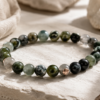
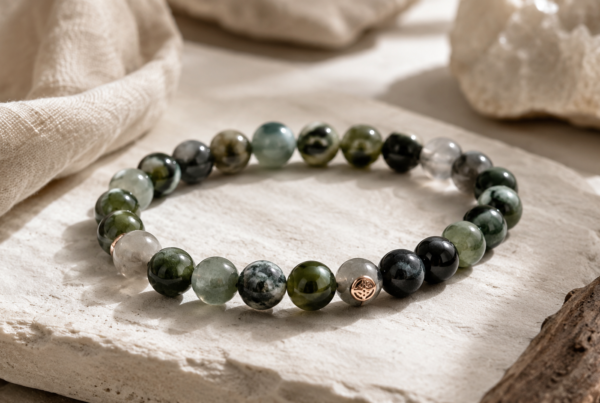
- Natural stone jewelry — Worn daily, chosen for color, texture, and weight. Acts as a tactile anchor during moments of stress.
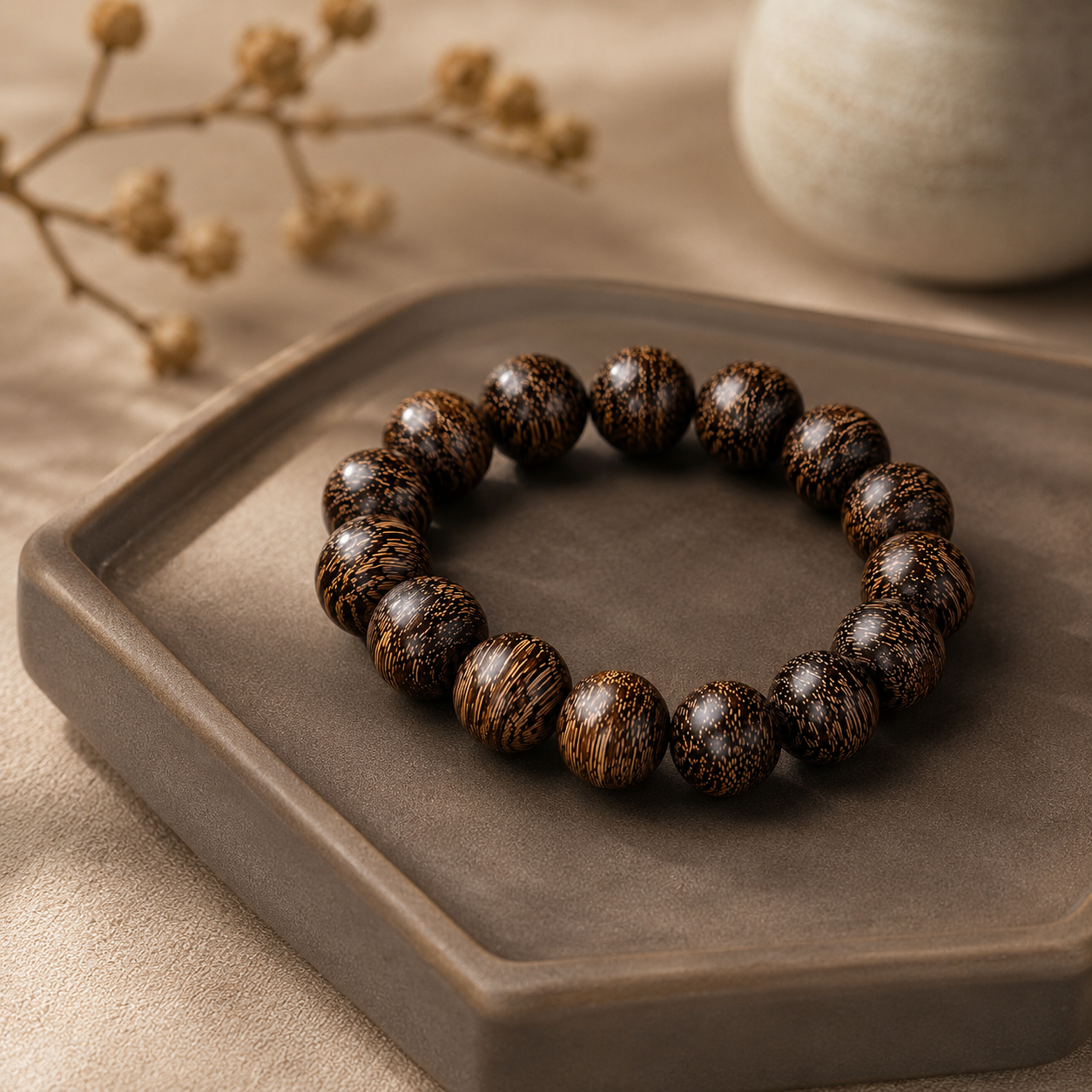
- Agarwood bracelets and beads — Valued for scent and wood grain. Worn or kept in a small dish to scent a drawer.
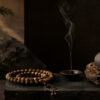
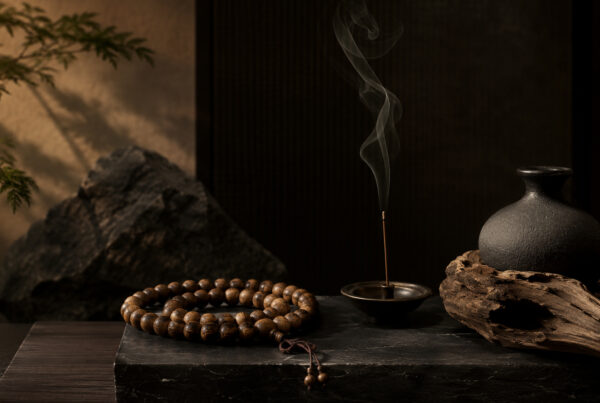
- Incense and candles — Short rituals of scent that mark time: preparation, meditation, or evening closure.
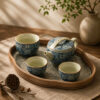
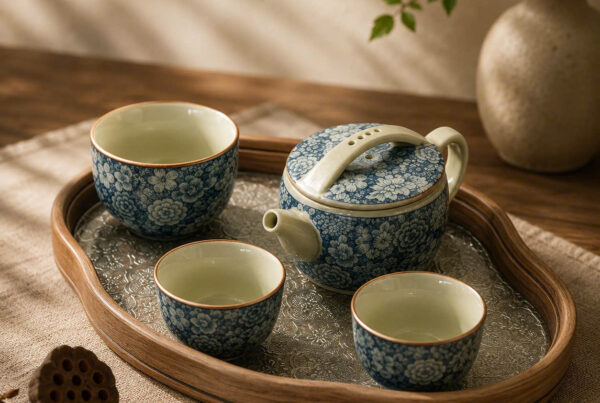
- Ceramic tea sets — Slow tea rituals promote presence through careful pouring and taste.
- Handcrafted art and décor — Small sculptures or wall pieces that create focal points of calm.
- Meditation cushions and accessories — Functional, comfortable items that invite practice without fuss.
How to choose objects: criteria and provenance
Choosing thoughtfully requires clear criteria. Below are practical points to guide a purchase so an object contributes to calm rather than clutter.
1. Material honesty and tactile quality
Inspect materials closely. Does the stone feel cool and solid? Is the wood grain consistent and well finished? Natural materials offer sensory depth that synthetic alternatives rarely match.
2. Craft and finish
Look for clean joins, even glazes, and subtle tool marks that signal handwork. A well-made object will reward daily use and develop a desirable character over time.
3. Scale and proportion
Consider where the object will live. A large incense burner can dominate a small table. Jewelry should feel balanced on the wrist. Measure spaces and think about sightlines before buying.
4. Ethical sourcing and sustainability
Ask about sources. Agarwood, for example, can be rare; ethical suppliers and sustainable practices matter. Prefer brands and makers that can describe their supply chain and work conditions.
5. Emotional fit
Choose objects that evoke a calm emotion. If a piece makes you feel rushed or overstimulated, it’s not right for a contemplative space. Intuition matters as much as specification.
Where objects fit in the home and practice
Placement and use can transform an object into a ritual. Thoughtful locations and simple protocols make daily practices effortless.
Entryway and intention
A small bowl for keys, a wooden bead bracelet on a tray, or a single candle at the entrance sets a tone as you arrive home. These items serve as a gentle pause between worlds.
Living room and social calm
In shared spaces, choose subtle pieces: a neutral ceramic vase, a low-profile incense holder, or a small stone sculpture. Keep objects low and tactile, encouraging quiet conversation and shared rituals like reading tea leaves or passing incense.
Meditation corner and private practice
Reserve a clean surface for a cushion, a small bell, a bowl of agarwood, and a favorite stone. Simplicity matters: fewer objects, clearer focus.
Bedroom and evening rituals
Nighttime rituals benefit from soft light and scent. A slow-burning candle, a small cup of calming tea, and a stone placed on the nightstand can ease transition to rest.
Comparison table: choose what fits your life
| Object | Best for | Key qualities | Considerations |
|---|---|---|---|
| Natural stone jewelry | Daily wear and tactile grounding | Weight, cool touch, unique veining | Check durability; avoid soft stones for rings |
| Agarwood bracelet | Scented wear and drawer scenting | Warm grain, subtle fragrance | Source ethics; some varieties are rare |
| Incense and burners | Short scent rituals, marking time | Material of holder, smoke control | Ventilation and household preferences |
| Ceramic tea set | Slow tea rituals and hosting | Thermal quality, porcelain vs stoneware | Care for glazed interiors; storage space |
| Handcrafted art | Visual focus and calm aesthetics | Scale, texture, and color palette | Placement and lighting affect impact |
Buying guide: practical steps and comparison points
Purchasing for a luxury spiritual lifestyle is an intentional act. Follow a short checklist to make choices that last.
- Define purpose: Is this for daily wear, a gift, or a ceremonial use? Purpose narrows options quickly.
- Set a mindful budget: Quality matters more than labels. A single well-made object often outlasts several cheap ones.
- Ask about provenance: Who made it? Where did materials come from?
- Compare finishes: Matte glazes age differently than glossy ones; unfinished wood requires occasional oiling.
- Check return policies: Even the most considered purchase may not fit once you live with it.
Where to buy
Look for makers and boutiques that prioritize craft. For curated collections that align with these values, you can explore TAM’s offerings in the shop for thoughtfully selected objects and accessories: TAM Shop. For community updates and new arrivals, see TAM’s social presence on Facebook.
Care and maintenance for longevity
Well-loved objects endure because they are cared for. Maintenance is simple and rewarding when adapted to material.
Jewelry care
Wipe stones with a soft cloth after wearing. Avoid harsh chemicals. Store pieces in a fabric-lined box or a wooden tray to prevent scratching. For porous stones, avoid prolonged exposure to moisture.
Wood and agarwood
Keep wooden beads and bracelets out of direct sunlight and prolonged humidity. Occasionally wipe with a dry cloth. For unfinished wood, use a light application of natural oil if it begins to feel dry—test on a small area first.
Ceramics and tea sets
Hand wash with mild detergent. Avoid sudden temperature changes that can cause cracking. For tea sets, let them air dry fully before storage to prevent mold.
Incense holders and candles
Keep burners clean of ash. For candles, trim wicks to 3–5 mm before lighting to ensure an even burn. Always follow safety precautions and never leave burning items unattended.
Mistakes to avoid
Intentional living is less about perfection and more about reduction of friction. These common missteps undermine the calm you are building.
- Buying on impulse: Purchases made from momentary attraction often become clutter.
- Prioritizing trend over material: Trends pass. Materials endure.
- Overloading a space: Too many objects dilute their meaning. Choose fewer, better things.
- Ignoring care instructions: A lack of maintenance shortens an object’s life.
- Accepting opaque sourcing: If a seller cannot explain where materials come from, be cautious.
Gifting and special occasions
A well-chosen object communicates care. Gifts for a luxury spiritual lifestyle should be personal, useful, and presented simply.
Who to choose these gifts for
Ideal recipients value calm, design, and authenticity. Think of friends who practice yoga, host tea gatherings, appreciate handmade goods, or seek mindful interiors.
How to personalize
Personalization can be material or ritual-based: select a stone in the recipient’s favorite color, choose a tea set sized for two if they host small gatherings, or include a handwritten note explaining a suggested ritual.
Packaging and presentation
Minimal, high-quality packaging amplifies the gift. Use unbleached paper, a cotton ribbon, and a small card. Allow the unwrapping to be part of the experience.
Comparison: handcrafted vs mass-produced
Understanding the difference helps align purchases with values.
- Handcrafted: Unique, often higher quality, repairable. May have slight imperfections that reveal the maker’s hand.
- Mass-produced: Consistent and often cheaper. Lacks individual character and may use synthetic materials.
Choose handcrafted when you want a lasting relationship with an object. Choose mass-produced when you need uniformity or temporary use.
Practical examples: daily rituals that use objects well
Below are simple rituals that fit modern life. Each practice takes a few minutes but creates structure and calm.
Morning five-minute ritual
Light a small incense or candle. Pour hot water into a favorite cup. Hold a stone or bead in your hand and breathe slowly for five minutes. Put on a bracelet as you step into your day.
Midday grounding
At a desk, place a smooth stone within reach. When you notice tension, close your eyes and roll the stone between fingers for ten slow breaths.
Evening closure
Prepare a cup of tea in a small set. Dim lights and sit with the cup for the full time it takes to drink it. Let the final sip signal the end of the day’s work.
Comparison table to guide buying decisions
| Need | Best object | Why | Checklist before buying |
|---|---|---|---|
| Daily tactile anchor | Natural stone bracelet | Comforting weight and texture | Durable stringing, hypoallergenic materials |
| Short scent ritual | High-quality incense and simple burner | Marks time, minimal setup | Low smoke, natural ingredients |
| Slow hosting | Ceramic tea set for two | Invites connection and presence | Comfortable pour, easy to clean |
| Visual calm | Small handcrafted sculpture | Creates a focal point without noise | Scale fits space, neutral palette |
FAQ
What exactly is a luxury spiritual lifestyle?
It is a way of living that pairs refined design with mindful rituals. It emphasizes quality materials and craftsmanship, and uses objects to create calm routines rather than to promise supernatural outcomes.
How is luxury defined here?
Luxury is defined by time, attention, and material honesty—objects that are thoughtfully made, feel pleasant to use, and last. It is not about brand names or ostentation.
Are these objects religious?
No. Objects in this lifestyle are primarily aesthetic and practical. They support personal rituals and quiet moments rather than offering religious claims.
How do I start if my home already feels cluttered?
Begin with a small edit. Choose three items that matter to you and create a simple ritual around them. Store or gift the rest. Minimal change often leads to a lasting shift in how space feels.
Are natural materials always better?
Natural materials offer sensory depth and age well, but they also require care. The right choice depends on your lifestyle. For high-use items, prioritize durable materials and clear care instructions.
Where can I find curated objects that match this approach?
Look for boutiques and makers who describe materials and craft. TAM’s curated collection is a starting point: visit the shop. For community updates, you can follow TAM on Facebook.
Final thoughts
A luxury spiritual lifestyle is gentle work. It does not demand dramatic changes. It asks for thoughtful choices: to hold an object, to use it well, and to let daily rituals mark small transitions. Over time, those choices create a home and a life that feel quieter and more considered.
If you are drawn to this approach, start small. Choose one object that calls to you. Learn how it feels in your hands and how it fits into a ritual. Let the rest follow.